Student Readiness for Studying in the Film and Animation Program
The film and animation industry is growing rapidly in line with technological advancement and digitalization, opening many opportunities for students who want to pursue a career in it. However, the challenges are just as significant. Students aiming to enter this field must be well-prepared—not only in terms of technical skills, but also creativity and an understanding of industry dynamics. So, what needs to be prepared?
Understanding the Dynamics of the Creative Industry

This industry is highly competitive and will continue to evolve with the emergence of new technologies. Therefore, students need to understand the following aspects:
- Tight Competition: A large number of creative talents are constantly competing to showcase their skills.
- Technological Evolution: Animation and visual effects software are regularly updated, so it’s important to keep learning.
- Collaboration: Film and animation production cannot be done alone, making a solid team essential.
Technical Skills to Master

Students must equip themselves with the following skills:
- Software Proficiency – Adobe Premiere Pro, After Effects, Blender, Maya, and others.
- Cinematography & Editing Techniques – Good lighting, composition, and editing will determine the visual quality.
- Animation Principles – Understanding the basics of animation such as timing and movement is essential.
Without these skills, it may be difficult for students to compete in the professional world of film and animation.Tanpa keterampilan ini, mungkin akan sulit bagi mahasiswa untuk bersaing di dunia profesional film dan animasi
Build Identity Through a Portfolio

A portfolio is a “ticket” into the film and animation industry. Here are some effective ways to build one:
- Display works on platforms like Behance, ArtStation, and YouTube.
- Show a variety of projects, reflecting a broad range of skills.
- Regularly update the portfolio to keep it relevant.
A strong portfolio will make it easier for students to secure internship or job opportunities.
Creativity and Unique Style: Added Value in the Industry

Every creator has their own distinctive style. Here’s how to develop creativity:
- Explore unique storytelling techniques.
- Draw inspiration from various sources, such as art, culture, and classic films.
- Consistently create work to develop a recognizable visual identity.
Social Media’s Role in Building Networks
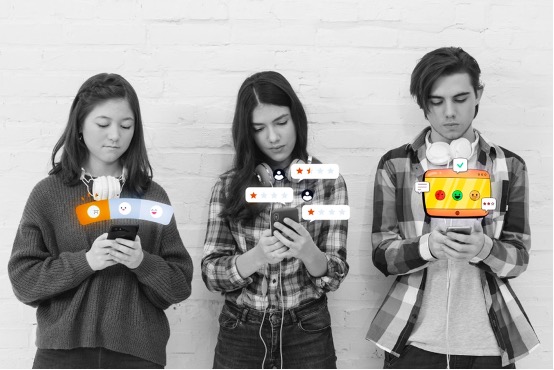
In the digital era, social media plays a crucial role in building a reputation:
- Share Work Regularly – Upload creative processes and finished works to digital platforms.
- Connect with Professionals – Use LinkedIn, Instagram, and TikTok to engage with the community.
- Build Credibility – Sharing insights and experiences can enhance your professional image.
Competitions and Festivals: A Platform for Self-Expression

Joining competitions and festivals is a strategic way to gain recognition. Here are some benefits you can gain:
- Feedback from Judges – Receiving critiques helps improve the quality of your work.
- Awards and Nominations – Winning or being nominated boosts your credibility.
- Networking Opportunities – Festivals offer chances to connect with industry professionals.
Soft Skills That Are Just as Important

In addition to technical skills, students also need to hone the following abilities:
- Good Communication – Essential for effective teamwork and sharing ideas clearly.
- Time Management – Ensures that projects are completed on schedule.
- Problem-Solving – Crucial for overcoming challenges during the production process.
Staying Updated with Trends and Technology

With rapidly advancing technology, students need to stay updated with the current trends, such as:
- VR and AR: Providing immersive cinematic experiences by allowing direct interaction between the audience and digital elements.
- AI in Animation: Accelerating production through automation of character animation, visual effects, and more efficient rendering.
- Real-time Rendering: Displaying visuals instantly without long rendering processes, speeding up production, and enabling creative improvisation.
- Spatial Computing: Integrating the digital and physical worlds to create realistic visual effects and facilitate pre-visualization in film and animation production.
Pursuing an education in film and animation requires readiness in various aspects: technical skills, industry understanding, as well as personal development through portfolio building and professional networking. With thorough preparation, students can feel more confident in seizing opportunities in this competitive creative industry.
If you are interested in pursuing a Bachelor’s degree in Film and Animation, which has consistently produced high-quality graduates ready to compete in the creative industry, don’t hesitate to apply. For more information about this program, you can visit the official website S1 Film and Animation.
For those who aspire to become filmmakers or animators, the first step is to ensure readiness from an early stage. With the right strategy, a career in film and animation is not an impossible dream!


