What Are Film & Animation? History and Development
Film and animation are parts of the creative industry that continue to grow rapidly. From entertainment to education, both play a significant role in shaping culture and delivering messages to audiences. The history of film and animation has undergone a major transformation, from simple moving images to the advanced visual effects we know today. With the presence of digital technology and the internet, the development of the film and animation industry is accelerating even further, opening up various opportunities for innovation across different fields.
Understanding Film and Animation

Film: A Fusion of Art, Technology, and Storytelling
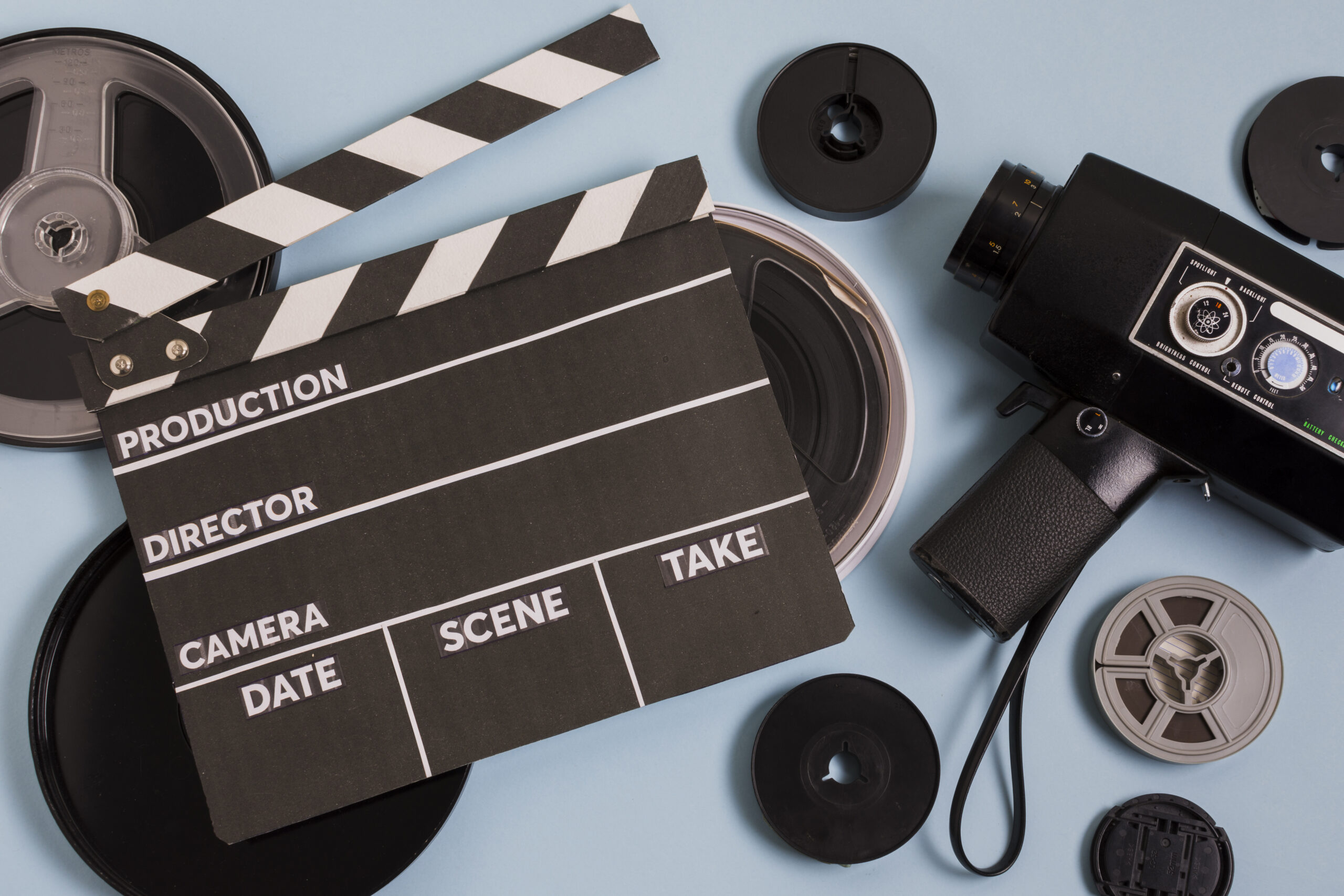
Film is a visual communication medium that presents stories through a series of moving images and audio. Since its initial discovery, the development of the film industry has gone through various innovations, such as CGI (Computer-Generated Imagery) technology and increasingly realistic visual effects.
Films come in various genres, such as:
- Drama: Telling emotional stories that often portray social realities or personal life.
- Action: Featuring fight scenes, chases, and thrilling visual effects.
- Comedy: Aiming to entertain with light to satirical humor.
- Science fiction: Using futuristic concepts, advanced technology, and space exploration.
- Documentary: Containing real facts and often used to raise social awareness.
Each genre has its own unique storytelling techniques that can attract the audience’s attention. Nowadays, with digital streaming services, the modern film industry is more easily accessible to global audiences. Platforms like Netflix, Disney+, and Amazon Prime Video have become major places for films from all over the world to reach wider audiences.
Animation: Imagination Brought to Life
Animation is a technique for creating moving images from a sequence of static pictures. Unlike live-action films, types of animation include 2D, 3D, and stop-motion, which give creators the freedom to build worlds and characters unrestricted by physical reality.
The development of animation is accelerating thanks to advanced software, such as:
- Blender (for 3D animation)
- Adobe Animate (for digital 2D animation)
- After Effects (for motion graphics)
Animation Film like Toy Story (1995) became milestones by being the first CGI film fully produced using computers. Animation has now expanded into various sectors, including education, advertising, and video games, further extending its impact in the digital world.
Sejarah dan Evolusi Film & Animasi

History of Film: From Silent Films to Digital
The history of film began in the late 19th century when the Lumière brothers introduced cinematographic technology. Initially, films were simply moving images without sound, known as silent films. Later, the sound era began with the release of The Jazz Singer (1927), which drastically transformed the film industry.
Since then, technology in the film industry has undergone constant revolution, from the use of color films, CGI visual effects, to digital distribution via streaming platforms. These advancements have made films more accessible to a broader audience, no longer limited to theater screens but also available through on-demand services.
History of Animation: From Hand-Drawn Images to Virtual Reality
Animation was first introduced through hand-drawn techniques, which required a long production time. One early example is Steamboat Willie (1928), which introduced the character Mickey Mouse. The development of animation accelerated with the advent of computer animation, allowing for higher visual quality and more efficient production processes.
Today, with technologies such as artificial intelligence (AI) and virtual reality (VR), the future of film and animation is even more promising, offering audiences increasingly immersive experiences. Animation is also used across various fields, including medical simulations, architecture, and even the military for tactical training purposes.
The Role of Film & Animation in the Creative Industry

Film & Animation as a Medium of Communication and Entertainment
Film and animation have the power to deliver messages visually in an engaging and effective way. With a combination of sound, color, and visual effects, both are able to evoke the audience’s emotions and convey stories more deeply. In advertising, film and animation have also become effective marketing tools for building branding and capturing audience attention.
Technology in the Film & Animation Industry
As technology continues to advance, various innovations have transformed the modern film and animation industry, such as:
- CGI, which enables spectacular visual effects
- Motion capture to capture actors’ movements in real time
- Virtual reality (VR) for a more interactive experience
These technologies are not only used in film and advertising animation, but also in the gaming, medical, and educational industries. In the medical field, animation is used for surgical simulations and patient education, while in gaming, it creates more realistic and dynamic experiences.
The Social and Educational Impact of Film & Animation
In addition to entertainment, film and animation also play a significant role in education and social issues. Documentaries are often used to raise awareness about environmental and human rights issues. Meanwhile, educational animation is frequently used to explain complex scientific concepts in an easy-to-understand way.
Some examples of the use of animation in education include:
- Medical animation for surgical simulations
- Interactive learning videos
- Animated films with moral lessons for children
Film and animation are not just entertainment, but also powerful tools for communication, education, and an ever-evolving creative industry. With technological advancements and the growing demand for visual content, the future of film and animation is bright. This industry will continue to evolve and provide richer experiences for a global audience.
Reference:
- Bordwell, D., & Thompson, K. (2017). Film Art: An Introduction (11th ed.). McGraw-Hill Education. https://www.mheducation.com
- Thomas, F., & Johnston, O. (1981). The Illusion of Life: Disney Animation. Disney Editions. https://books.disney.com
- Beck, J. (2004). The Animated Movie Guide. Chicago Review Press. https://www.chicagoreviewpress.com
- Pixar Animation Studios. (1995). Toy Story – The First Fully Computer-Generated Feature Film. Pixar. https://www.pixar.com
- The Academy of Motion Picture Arts and Sciences. (2023). A Brief History of Film and Animation. https://www.oscars.org
- The Walt Disney Company. (2023). History of Disney Animation. https://thewaltdisneycompany.com
- Wired. (2021). How CGI Transformed the Movie Industry. https://www.wired.com
- Variety. (2022). The Future of Animation and Virtual Reality in Film. https://variety.com
- Netflix. (2023). Streaming and the Evolution of the Film Industry. https://about.netflix.com


