
Visual Storytelling: Exploring the Power of Film and Animation
When Imagination and Visuals Collaborate
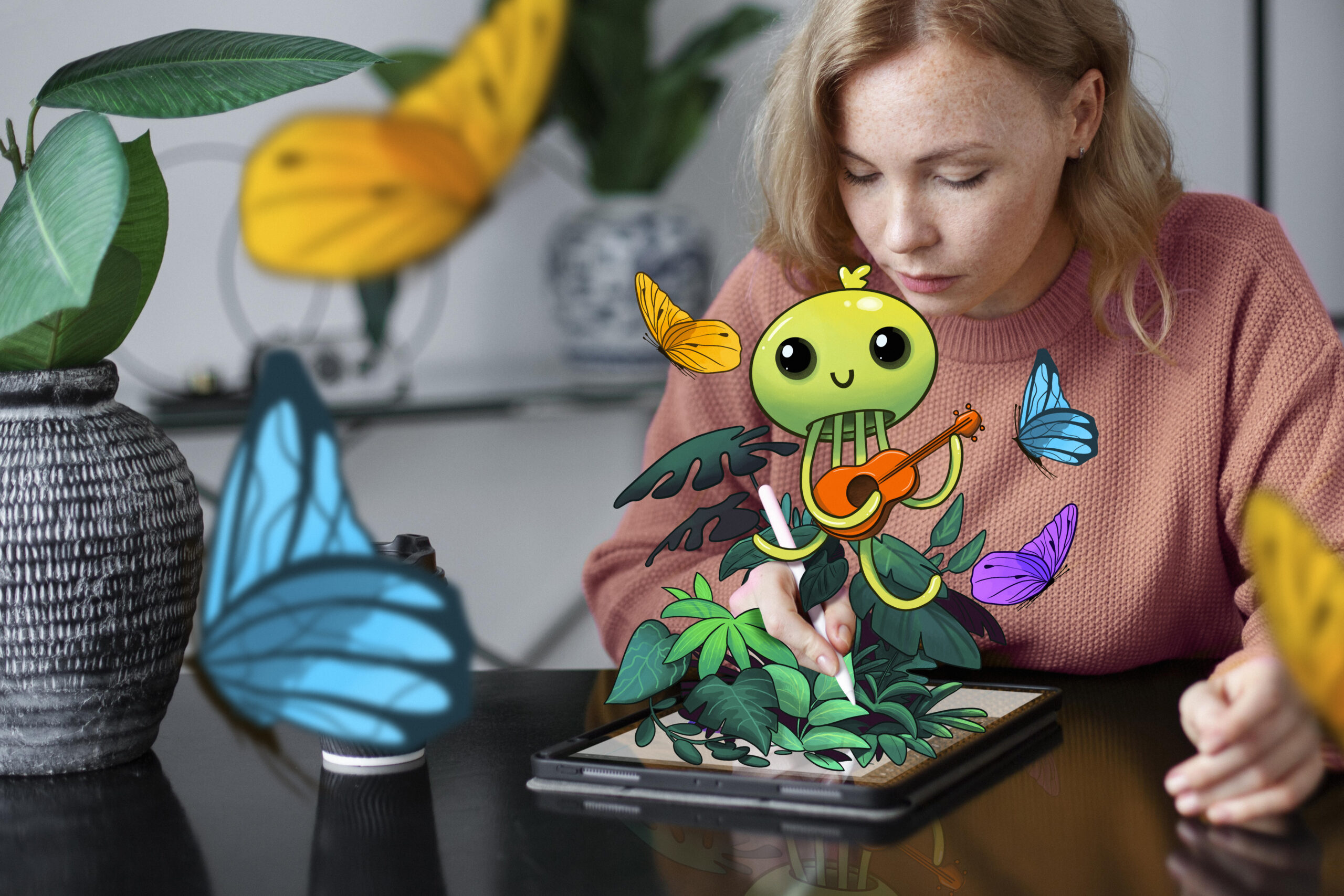
Film and animation are more than just entertainment. They are complex forms of artistic expression that blend ideas, emotions, and technology into a cohesive story that not only entertains but also touches the heart. Every element in a film or animation, from images, sounds, to movements, is carefully crafted by creators to convey deep messages, stir emotions, and provoke thought in the audience.
This article will take readers on a journey through the long path of a visual narrative, starting from the initial idea that arises in the creator’s mind, followed by the in-depth technical process behind the scenes that brings the story to life. Additionally, we will explore how educational institutions, such as Telkom University, play a crucial role in shaping the next generation of creators who are ready to face the ever-evolving global film and animation industry.
I. From Idea to a Moving Story

Every film and animation begins with an idea. It doesn’t always require a grand and magnificent concept, but rather a strong, original idea that can touch the emotional side of the audience, which proves to be the most promising. These ideas often come from personal experiences, social issues, old tales, or even everyday observations, which are then developed into valuable visual stories.
Once the idea is found, the creative team begins to shape it into a story framework. They design characters with strong backgrounds and motivations, create relevant conflicts, and build a plot that can take the audience on an emotional journey. This process is not only about imagination but also about a deep understanding of the audience’s psychology, story rhythm, and the effectiveness of message delivery.
Then the script begins to be written. At this stage, intense discussions between the writer, director, and other creative team members are crucial. They explore various possibilities, from the story’s point of view, the style of dialogue, to the visual metaphors to be used. The story development process becomes a space where creativity and delivery strategies meet. It’s not uncommon for the initial story to undergo many revisions before it takes its final, solid form and is ready for production.
This is the crucial foundation in the creation of films and animations: transforming a simple idea into a strong narrative that can remain in the audience’s memory, even after the screen is turned off.
II. Designing Visuals, Bringing Imagination to Life
Once the story is formed, the next step is to design how the story will be visualized. This is where the storyboard plays a key role as a map that illustrates each scene in detail. At this stage, various aesthetic elements such as color choices, camera angles, and visual rhythm are carefully considered to ensure the intended message is effectively conveyed.
Character creation and background design become crucial, with animators and illustrators playing the main role in determining the visual style that aligns with the atmosphere of the story. Character design must be able to represent the character’s personality through body shape, facial expressions, and movement. Likewise, the background design must support the narrative while enhancing the overall mood.
Collaboration with composers and sound designers adds depth to this process. They are responsible for creating soundtracks and audio effects that blend harmoniously with the visuals. The rhythm of the music, background sound quality, and even pauses play significant roles in creating a full emotional experience for the audience. Moreover, sound elements can help emphasize the storyline and emotions in each scene.
This stage becomes a space for vast creative exploration, as it tests various visual and auditory approaches to find the best harmony that brings the story to life. Every visual and auditory decision made is not just about aesthetics, but also about meaning and its impact on the overall narrative.
III. The Production Stage: Bringing the Story to Life in Motion
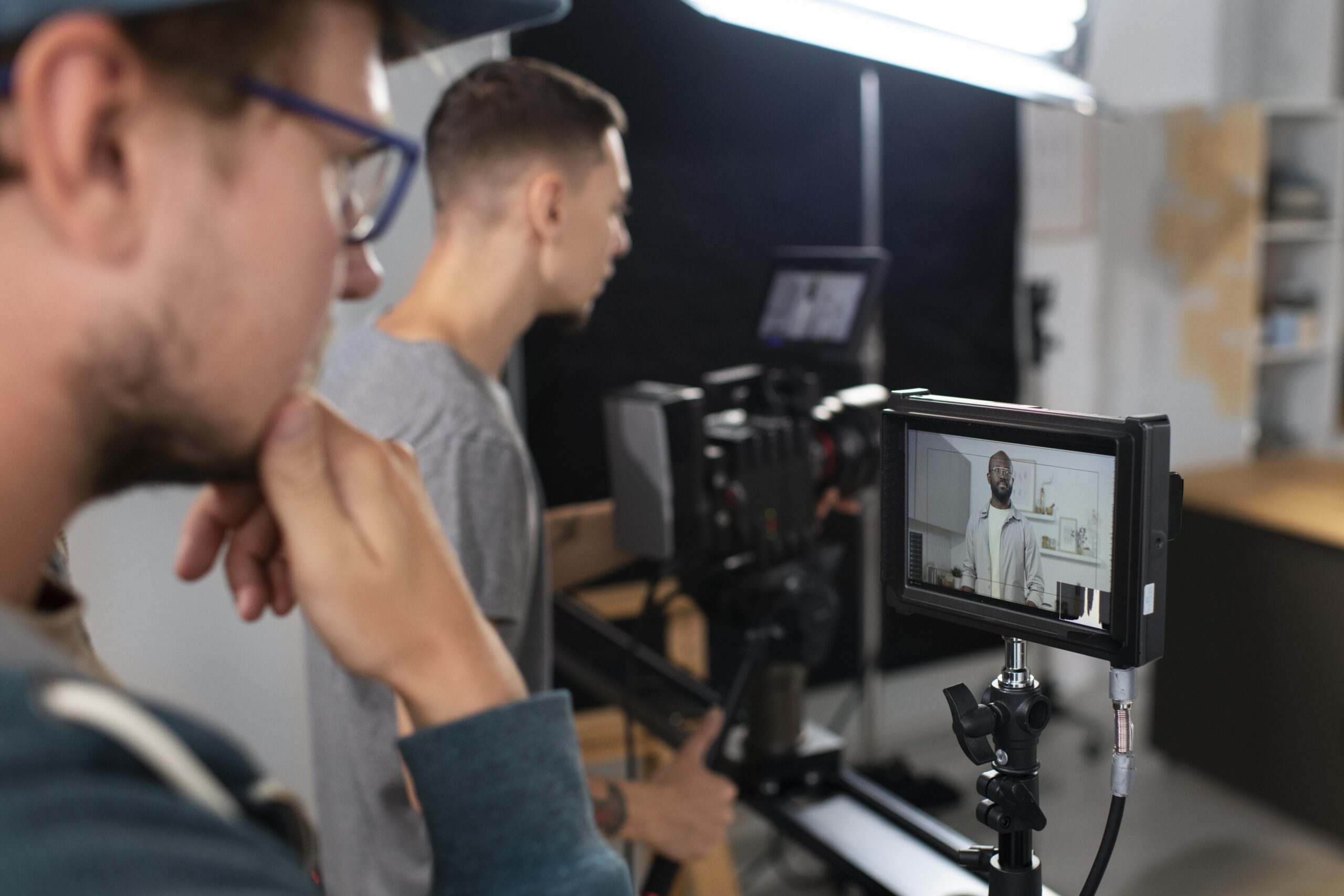
In the production phase, all the elements that have been designed begin to materialize into a tangible form. Animators bring characters to life, editors shape the flow of scenes, while the technical team manages lighting, camera work, and visual effects that enrich the story.
This process also requires close collaboration and detailed coordination between departments. Animators must maintain consistency in character movement and expressions to align with the desired emotions. Editors play a crucial role in crafting the storytelling rhythm, selecting the strongest shots, and assembling them into a coherent whole.
On the other hand, the visual effects team adds digital elements that enhance the visual presentation, such as artificial lighting, digital backgrounds, or atmospheric effects. None of this would succeed without solid technical support and smooth communication between production team members.
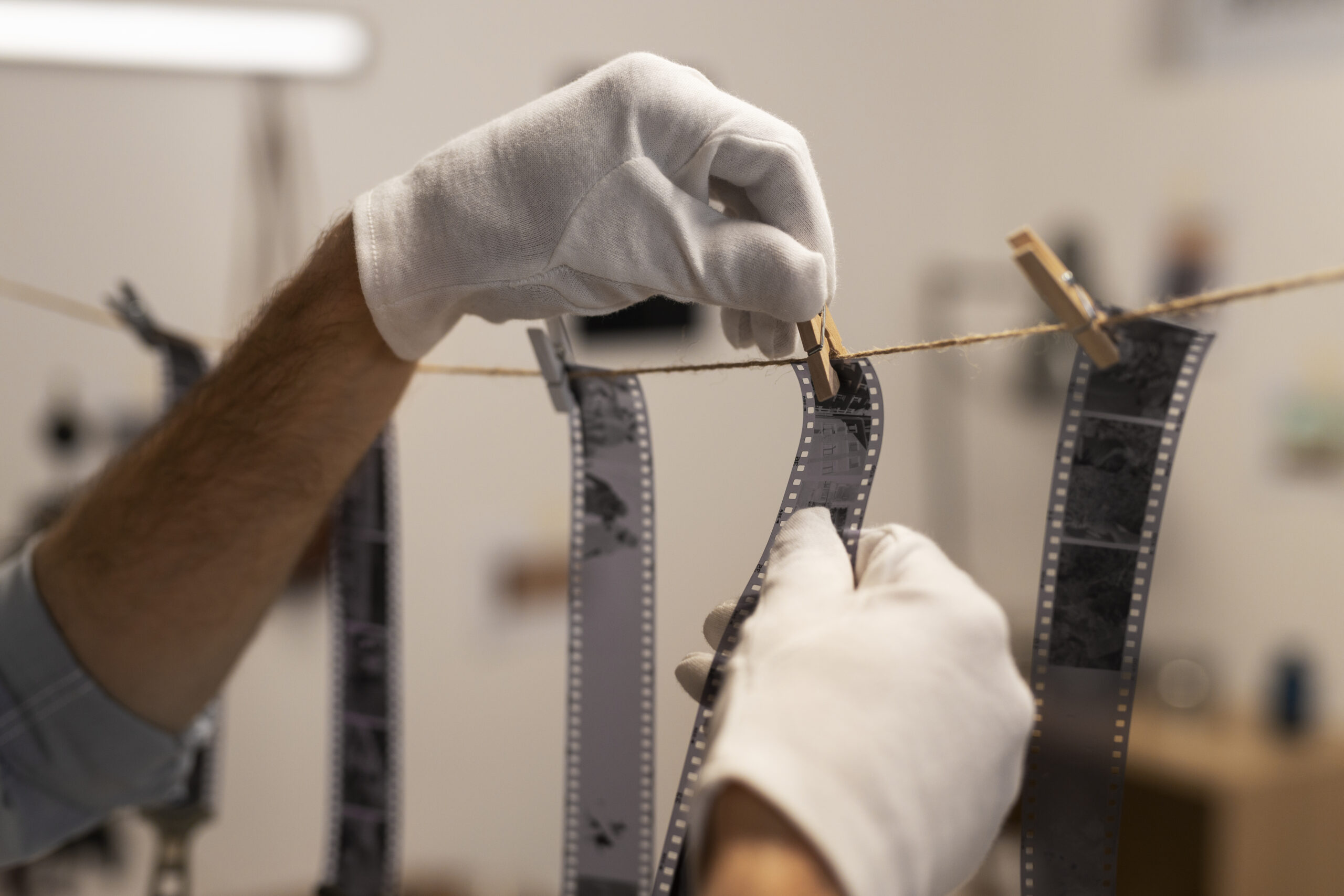
Every second in film and animation is the result of cross-disciplinary coordination, from art to technology. Post-production plays a key role in ensuring that all these elements come together seamlessly, from final editing, sound design, to color correction that refines the overall visual presentation.
IV. Film and Animation Program at Telkom University: The Place Where Visual Stories Grow

At Telkom University, the Faculty of Creative Industries provides opportunities for students aspiring to pursue a professional career in film and animation. Through the Film and Animation program, students are encouraged not only to develop creative ideas but also to hone the technical skills needed, while building a unique creative identity. With complete facilities, the learning process in this program is not just about achieving results but also about deep exploration and reflection.
In addition to theoretical learning, students will also be given ample opportunities to showcase their work. Moreover, academic life in the Film and Animation program is dynamic. Students are frequently involved in various projects. These experiences allow them to engage directly with the realities of the creative industry while sharpening their sensitivity to social and cultural issues.
V. Students Create: From Campus to the Screen

In the daily life of students in the Film and Animation program, learning doesn’t only happen in the classroom. Many of them are directly involved in projects such as creating short films, educational animations, and visual campaigns in collaboration with external parties. This provides them with the opportunity to apply the theories they’ve learned and sharpen their technical and creative skills in real-world settings.
Through these diverse projects, students gain a deeper understanding of the creative industry and develop a sensitivity to social, cultural, and technological issues that are continuously evolving. Furthermore, they gain hands-on experience and the chance to build portfolios that are relevant to the industry.
These practical experiences prepare them to become adaptive and competitive visual creators in the film and animation industry. They are also trained to produce works that are not only visually captivating but also have a positive social impact.
Visual storytelling is a mirror of our world and imagination. When executed with dedication and attention to every detail, these stories can become powerful tools for evoking emotions, shaping opinions, and even driving significant social change. A well-crafted narrative can not only entertain but also convey profound messages that resonate with the audience long after the film or animation has ended.
For those wishing to delve deeper into the creative world, the Film and Animation program at Telkom University offers an ideal space to explore their potential. With comprehensive facilities, an in-depth curriculum, and guidance from experienced instructors, students are given the opportunity to hone the technical and creative skills necessary in this industry. The learning process here focuses not only on creating works but also on shaping a creative identity that will set them apart in the increasingly competitive film and animation industry.


